

Guinea Insurance Boss Urges Digital Synergy, Local Content to Drive Growth in Oil & Gas, Insurance Sectors
BY NGOZI ONYEAKUSI
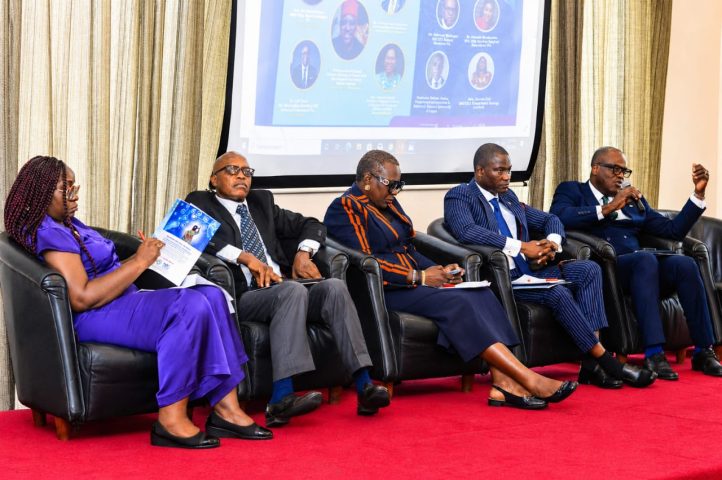
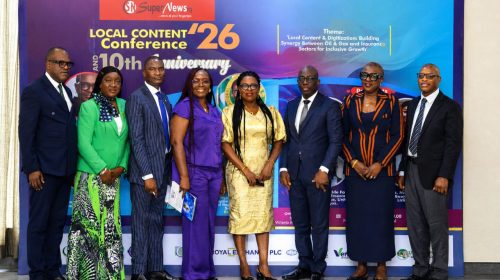
L-R: MD/CEO, Deepshores Energy Limited, Mrs. Nneka Obi; Prof. Olajide Fadun, Department of Insurance and Actuarial Science University of Lagos;
Group Managing Director/CEO, Royal Exchange Plc, Mrs. Idu Okeahialam; Executive Director, Operations, Veritas Kapital Assurance Plc, Mr. Sunkanmi Adekeye; Managing Director/CEO, Guinea Insurance Plc, Mr. Ademola Abidogun at the 2026 SUPERNEWS Conference and 10th anniversary held in Oriental Hotel, Lekki Road, Victoria Island, Lagos.
The Managing Director and Chief Executive Officer of Guinea Insurance Plc, Mr. Ademola Abidogun, has called for stronger collaboration between Nigeria’s oil and gas and insurance industries through digitalisation, describing technology as the critical enabler for deepening local content and driving inclusive economic growth.
Abidogun made the call while speaking as a panelist at the SUPERNEWS Local Content 2026 Conference and 10th Anniversary Celebration in Lagos, where industry stakeholders examined the theme: “Local Content and Digitisation: Building Synergy Between Oil & Gas and Insurance Sectors for Inclusive Growth.”
According to him, Nigeria’s local content aspirations can only be fully realised when digital technologies are strategically deployed to strengthen partnerships between operators in the oil and gas industry and insurance companies, ensuring that more value from the nation’s natural resources is retained within the country.
He explained that local content goes beyond increasing indigenous participation in contracts, noting that it also encompasses developing Nigerian expertise, strengthening local businesses, creating jobs and building sustainable technological capabilities that reduce dependence on foreign firms.
Abidogun described digitalisation as a game changer capable of transforming business operations across both sectors through the deployment of artificial intelligence, data analytics, cloud computing, Internet of Things (IoT), blockchain, automation and mobile platforms.
He noted that oil and gas operations generate enormous volumes of operational data which, if securely shared with insurers, would significantly improve risk assessment, underwriting and pricing of insurance policies.
According to him, the adoption of smart technologies such as pipeline sensors, drones, satellite imagery and AI-powered monitoring systems would enable insurers to evaluate risks based on real-time operational conditions rather than assumptions, while accelerating claims verification and settlement.
The Guinea Insurance boss stressed that improved digital collaboration would reduce operational uncertainties, minimise losses and strengthen confidence between insurers and operators across the oil and gas value chain.
Abidogun further observed that many indigenous contractors continue to face challenges accessing affordable insurance coverage, arguing that digital insurance platforms could simplify policy applications, reduce paperwork, lower administrative costs and expand insurance access to small and medium-sized enterprises participating in the sector.
He said such innovations would directly support Nigeria’s local content policy by enabling more indigenous companies to compete effectively for contracts in the industry.
The insurance executive also underscored the importance of transparency, noting that digital record-keeping would help reduce fraud, improve regulatory compliance, strengthen contract management and boost investor confidence.
He warned that the increasing digital transformation of both industries has equally heightened exposure to cyber threats, making it imperative to develop stronger cybersecurity frameworks and expand the availability of cyber insurance products.
Abidogun said secure data sharing between oil and gas operators and insurers would enhance predictive maintenance, improve risk management and reduce operational disruptions, while encouraging the development of innovative InsurTech solutions tailored to the industry’s unique needs.
He added that Nigerian technology companies stand to benefit from opportunities in digital policy administration, automated underwriting, AI-powered claims processing and real-time risk monitoring.
On human capital development, Abidogun emphasised the need for sustained investment in skills such as artificial intelligence, cybersecurity, data science, digital engineering and digital insurance to equip Nigerian professionals for the evolving demands of both industries.
He maintained that building indigenous digital capacity would strengthen Nigeria’s local content objectives while creating new employment opportunities and expanding the country’s technology ecosystem.
Summing up his position, Abidogun said digitalisation should not be viewed merely as a technological upgrade but as a strategic tool for deepening collaboration between the oil and gas and insurance sectors, expanding indigenous participation and ensuring that the benefits of economic growth are broadly shared among Nigerian businesses, professionals and communities.
He noted that while digitalisation serves as the enabler, collaboration between the two industries remains the mechanism for achieving local content objectives and delivering inclusive growth across the Nigerian economy.


Leave a Reply