

Nigeria Secures Fresh Support From World Bank, IMF, EU for Economic Reforms
BY NGOZI ONYEAKUSI
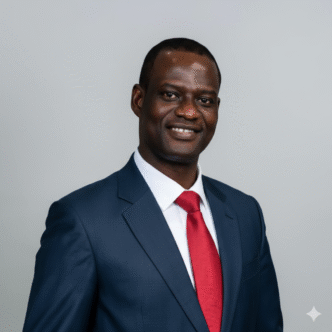
Nigeria has secured renewed commitments for technical assistance and financing cooperation from the World Bank Group, International Monetary Fund (IMF), European Union (EU) and other development partners to support its economic reforms and investment drive.
Taiwo Oyedele, Minister of Finance and the head of Nigeria’s delegation to the 2026 IMF/World Bank Annual Meetings in Bangkok, Thailand, disclosed this while reviewing the outcomes of the country’s engagements at the meetings.
He said the World Bank Group reaffirmed its support for power and infrastructure development through guarantee instruments and other financing mechanisms, while the IMF pledged continued technical assistance in fiscal policy implementation, transparency and national statistics.
Oyedele added that the engagements reflected international partners’ willingness to work with Nigeria on its reform programme, but cautioned that the commitments should not be mistaken for immediate financial disbursements.
“These are commitments to work together with us, not announcements of money,” he said, adding that the government would only report progress when commitments were formally signed and results began to emerge.
He said the European Union identified energy and local pharmaceutical manufacturing as priority areas for collaboration under its Global Gateway Programme, while the United States Treasury offered deeper technical cooperation in health, fiscal policy administration and financial integrity.
According to him, development partners, including the Japan International Cooperation Agency (JICA) and the Islamic Development Bank, also indicated their readiness to expand sustainable financing for Nigeria.
On the country’s investment drive, Oyedele said Nigeria presented 65 bankable projects valued at approximately $78.5 billion under Project Nigeria, covering energy, transport, industry, mining, agriculture, health and advanced services.
He explained that the projects had feasibility studies and were structured to accommodate private sector participation, including investments from local and foreign investors.
He said investors from Asia and Europe had already submitted expressions of interest, adding that the investment initiative would remain open through the Federal Ministry of Finance’s investment platform to attract more capital.
According to him, the government intends to expand the initiative in scale, quality and sectoral coverage to accelerate economic growth, create jobs and improve living standards.
Providing an update on economic performance, Oyedele said Nigeria’s gross domestic product grew by 4.4 per cent in the second quarter of 2026, while inflation had declined for four consecutive months and was less than half its peak recorded about two years earlier.
He further disclosed that the country’s external reserves had risen above $55 billion, while the tax-to-GDP ratio increased from approximately seven per cent less than three years earlier to 12.5 per cent at the end of 2025, following GDP rebasing.
He said private capital inflows had increased from about $300 million in 2023 to nearly $6 billion in 2026, representing an approximately 20-fold rise.
The minister also put Nigeria’s debt at about 36 per cent of GDP, describing the debt profile as manageable, while noting that federation revenues had quadrupled since 2021.
He added that multilateral lenders accounted for approximately 45 per cent of Nigeria’s external debt, with the government pursuing a strategy to shift its financing portfolio towards cheaper, longer-term and more affordable funding sources.
On the global economic outlook, Oyedele said the IMF projected global growth of 3.1 per cent in 2026, amid geopolitical tensions, energy disruptions, changing trade policies, monetary uncertainty and climate shocks affecting developing economies.
He noted that although artificial intelligence and other emerging technologies offered opportunities to improve productivity, Nigeria’s priority was to translate economic stability into faster growth, decent jobs and improved living standards.
The minister also said Nigeria used the meetings to advocate reforms in the international financial system, including a stronger quota-based IMF that protects the voice of developing and vulnerable countries, as well as more transparent credit-rating methodologies.
He said the government would build on the outcomes of the Bangkok meetings by converting international partnerships into measurable results for the Nigerian economy.


Leave a Reply