

CBN Reforms Restore Stability, Rebuild Confidence In Financial System — Abdullahi
BY NGOZI ONYEAKUSI

The Central Bank of Nigeria (CBN) has said its reforms over the past three years have helped restore stability, rebuild confidence and strengthen the country’s financial system.
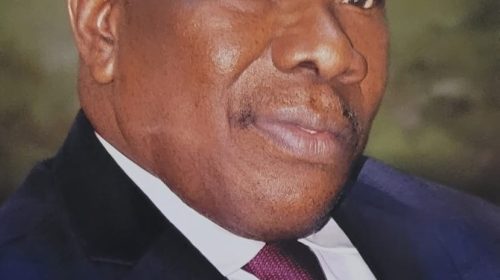
Deputy Governor, Corporate Services, CBN, Dr Muhammad Sani Abdullahi, stated this while delivering a keynote address at the 38th Seminar for Finance Correspondents and Business Editors.
Abdullahi said the reforms became necessary following significant challenges confronting the Nigerian economy and financial system when the current CBN leadership assumed office in 2023.
According to him, the administration, led by Governor Olayemi Cardoso, inherited a difficult economic environment characterised by a heavily administered and fragmented foreign exchange market, high liquidity, weak confidence and significant outstanding foreign exchange obligations.
He said: “Our task was to restore stability, rebuild confidence, and refocus the bank on its core mandate.”
The Deputy Governor noted that by 2023, multiple foreign exchange windows were operating alongside a large parallel market, making it difficult for businesses to determine applicable exchange rates and access foreign exchange.
He said the gap between official and parallel market exchange rates averaged more than 60 per cent in 2022 and exceeded 100 per cent at some points during the year.
Abdullahi, who spoke on the theme of the seminar, “Towards a Robust and Resilient Financial System in the Post-Banking Sector Recapitalisation Era,” said the foreign exchange challenges also exerted pressure on the country’s external reserves.
He disclosed that after accounting for identified short-term obligations, Nigeria’s net usable reserves stood at about $859 million in the second quarter of 2023.
He added that outstanding foreign exchange claims from forward transactions had also risen significantly, creating uncertainty for businesses and investors.
The CBN Deputy Governor further disclosed that Ways and Means financing had reached N26.6 trillion by 2023, while legacy development finance exposures exceeded N10 trillion.
According to him, the liquidity generated by these exposures made inflation more difficult to contain and weakened the effectiveness of monetary policy.
He explained that the combination of administrative foreign exchange allocation, excess liquidity and uncertainty created opportunities for arbitrage, while also pushing economic activities away from the formal market.
Abdullahi said the CBN consequently recognised that the challenges could not be addressed in isolation.
“The foreign exchange market needed clearer prices and more reliable trading arrangements, but those changes would be difficult to sustain without tighter control of liquidity. We also needed stronger banks capable of operating through the adjustment,” he said.
He explained that the first major step in the foreign exchange market reforms came in June 2023, when the CBN consolidated the existing foreign exchange windows and moved towards a unified market framework.
The bank also removed restrictions that had prevented 43 categories of imports from accessing the official foreign exchange market and reviewed outstanding forward claims.
He said valid claims amounting to more than $5 billion were subsequently settled, thereby addressing a major source of uncertainty for businesses and investors.
According to him, the CBN also strengthened foreign exchange trading and reporting rules, introduced an electronic foreign exchange matching system for interbank transactions and established the Nigeria FX Code.
He said the FX Code provided clear standards of conduct for market participants and served as a deterrent to speculative behaviour.
Abdullahi added that the CBN simultaneously tightened monetary policy, improved liquidity management and commenced the gradual winding down of development finance interventions.
He commended financial journalists for their role in reporting the reforms and helping businesses and households understand their implications.
The Deputy Governor said journalists had not only reported the reforms but also questioned and scrutinised the decisions taken by the apex bank during a period when the outcomes were still uncertain.
He urged the financial press to continue to engage the CBN through facts, open questions and clear explanations as the financial system enters the next phase of reforms.
He said the banking sector recapitalisation should be viewed as part of the broader reform programme aimed at building stronger and more resilient financial institutions capable of supporting Nigeria’s economic growth.


Leave a Reply