

Poor funding, infrastructure crippling agric lending — CBN
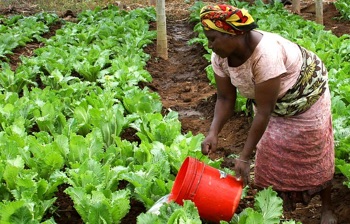
Poor funding for agricultural research and inadequate infrastructure are among the factors limiting access to finance for Nigerian farmers, a Central Bank of Nigeria official has said.
The CBN Deputy Director and Special Assistant in the Office of the Deputy Governor, Economic Policy Directorate, Dr Michael Ononugbo, said the country’s agricultural finance gap was rooted in structural weaknesses and not simply a shortage of capital.
Ononugbo made the statement at the National Close-Out Conference of the Global Project for the Promotion of Agricultural Finance for Agri-based Enterprises in Rural Areas, known as GP AgFin Nigeria, held in Abuja. The eight-year German-funded project, commissioned by Germany’s Federal Ministry for Economic Cooperation and Development and implemented by the Deutsche Gesellschaft für Internationale Zusammenarbeit, reached 101,449 farmers and agribusinesses across 10 states.
Speaking on the theme, “From Access to Impact: Embedding Agricultural Finance in Nigeria’s Economic Policy Architecture,” Ononugbo said smallholder farmers and rural enterprises faced several challenges that made conventional lending difficult. He said farmers “often operate in environments characterised by fragmented landholdings, limited access to technology, weak infrastructure, inadequate storage facilities, climate-related vulnerabilities, and volatile commodity prices,” compounded by “limited financial records, insufficient collateral, and information asymmetries that make conventional lending models difficult to apply effectively.”
Punch


Leave a Reply