

IMF Urges Nigeria To Expand Targeted Cash Transfers To Tackle Poverty
BY NGOZI ONYEAKUSI
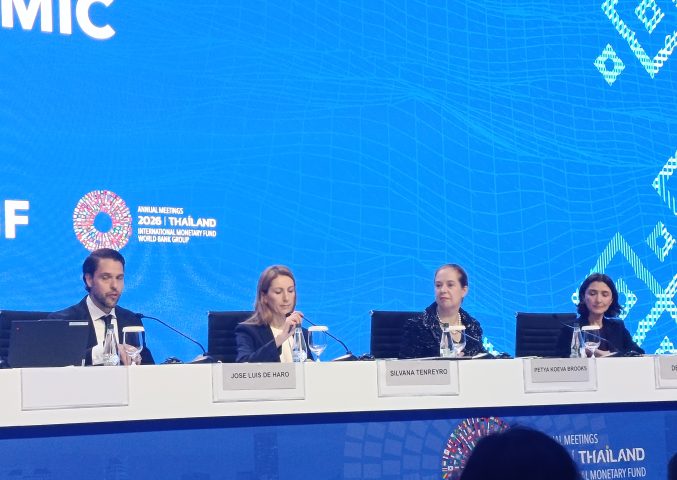
The International Monetary Fund (IMF) has urged the Nigerian government to provide targeted and temporary cash transfers to vulnerable households to cushion the impact of rising food and energy prices and address persistent poverty.
The Chief of the IMF Research Department’s World Economic Studies Division of IMF, Deniz Igan gave the advice while responding to questions on Nigeria during the World Economic Outlook at the ongoing IMF/World Bank meetings in Bangkok, Thailand, noting that although the country’s economic growth had remained relatively resilient due to its status as an energy exporter, poverty levels remained high.
She said policymakers needed to balance immediate concerns over rising inflation and the cost of living with the need to maintain medium-term economic stability.
According to her, the rising prices of essential commodities, particularly food and energy, are placing disproportionate pressure on households, making targeted support necessary to protect the most vulnerable.
Igan said temporary income support through cash transfers could help alleviate poverty and strengthen food security, particularly among households struggling to cope with the rising cost of basic necessities.
She noted that Nigeria’s economic resilience had not eliminated the hardships faced by its population, which continues to grapple with poverty, insecurity and other socioeconomic challenges.
The IMF official stressed that measures to cushion the immediate impact of rising prices must be consistent with the country’s medium-term fiscal framework.
She said this would require the government to improve the quality of public expenditure and strengthen revenue collection to ensure sustainable public finances.
Igan explained that the IMF’s recommendations were informed by its analysis of fiscal policy responses that could most effectively address cost-of-living pressures, particularly when prices of essential goods rise faster than those of other items in the consumer basket.
She emphasised the need for policymakers to protect vulnerable households from immediate economic shocks without undermining medium-term fiscal stability.



Leave a Reply