

G24 urges IMF, World Bank To Provide Cheaper Loans To Developing Countries
BY NGOZI ONYEAKUSI
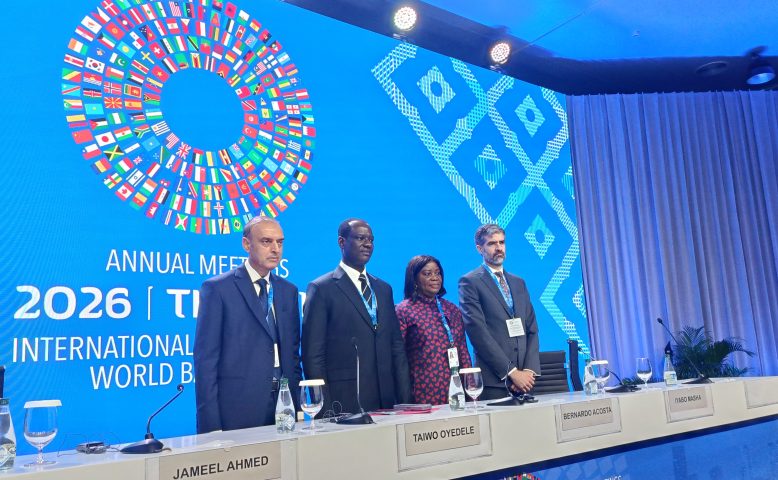
The Intergovernmental Group of 24 (G24) has urged the International Monetary Fund (IMF) and the World Bank to make concessional financing more affordable for developing countries grappling with rising debt burdens and high borrowing costs.
Chairman of G24, Taiwo Oyedele, made the call during a press briefing at the ongoing IMF and World Bank Annual Meetings in Thailand.
Oyedele said developing countries, particularly those in Africa, were facing not only high debt levels but also the increasing cost of servicing their debts.
He noted that some estimates indicated that developing countries were paying about $500 billion more in borrowing costs than developed countries.
According to him, countries must strengthen domestic revenue mobilisation and identify areas for savings to manage their fiscal challenges without imposing additional burdens on vulnerable populations and productive sectors.
“This is the wrong time to impose new taxes or increase the burden of tax, particularly on the vulnerable population and productive sectors of the economy,” he said.
The G24 chairman urged the IMF and World Bank to develop measures that would make short-term concessional borrowing more accessible and affordable, particularly for vulnerable economies.
He also called for long-term frameworks and policies to mobilise private capital, stressing that limited public resources should be prioritised for essential social services.
On economic growth and employment, Oyedele warned that the adoption of artificial intelligence (AI), if not properly regulated and managed, could worsen unemployment, particularly in countries with large youthful populations.
He stressed that economic growth must be inclusive and generate jobs rather than focus solely on macroeconomic indicators.
According to him, governments and multilateral institutions share the responsibility of ensuring that economic growth translates into improved living standards for citizens.
Oyedele, however, defended macroeconomic stability, describing it as the foundation for sustainable growth and the implementation of structural reforms, employment policies and infrastructure development.
He said countries needed stable macroeconomic environments to build effective policies that support long-term development.
On food security and climate change, the G24 chairman called for international cooperation to protect livelihoods while addressing environmental challenges.
He also cautioned against restrictions on exports, tariffs and non-tariff barriers, noting that such measures could complicate efforts to address shared global economic challenges.
A representative from the Latin America and Caribbean region added that countries vulnerable to the effects of El Niño had received support through financing mechanisms provided by development institutions, including the World Bank and regional multilateral banks.
The representative said such arrangements, including contingent credit facilities, had helped strengthen countries’ preparedness, although some economic sectors could still face significant challenges.
The G24 is an intergovernmental group that coordinates the positions of developing countries on international monetary and development finance issues.



Leave a Reply